0%
Loading the history of Douglas Tompkins
Douglas Tompkins. The man that went further
Project author: Nunzhenko Ekaterina
Portfolio
THE UNKNOWN
BEGINS WHERE
the map ends and the path begins
Douglas Tompkins. The man who went further
49.27195° S
73.04406° W
73.04406° W
14 800 000 acre
5 989 348 hectare
5 989 348 hectare
Patagonia
20.10.1943
8.12.2015
8.12.2015

It’s not about the distance. What matters is what can still be discovered right in front of you
Douglas Tompkins
For Tompkins, mountains were just the beginning. He went further— on skis, on rocks, on expeditions. He looked for new routes
BEEN BEFORE
HAVEN'T (
)
HAVEN'T (
) BEEN BEFORE
GO WHERE
The man who did not recognize borders
HE CREATED A BRAND (
)
FOR THOSE WHO GO FURTHER
(
) FOR THOSE,
HE CREATED A BRAND
WHO GO FURTHER
half dome
37°44′46″N 119°31′59″W
37°44′46″N 119°31′59″W
Est. 1966
San Francisco
San Francisco
1966
Douglas Tompkins, together
with Dick English, founded
The North Face
with Dick English, founded
The North Face
Gear must work where
it can be relied upon
it can be relied upon
IF YOU HAVE ACHIEVED EVERYTHING YOU WANTED,
WHAT'S NEXT?

1989
Tompkins sold his share
for $ 125 million
for $ 125 million
The North Face was just the beginning.
The next was Esprit. The company grew into an international business
The next was Esprit. The company grew into an international business
Douglas
achieved everything
achieved everything
(that one usually strives for their whole life)
The bigger the business became,
the more Tompkins saw its downside
WHICH HE
NO LONGER BELIEVED IN
NO LONGER BELIEVED IN
HE BECAME UNINTERESTED IN WINNING THE GAME,
WHY?
1
2
3
HOW MUCH TIME DOES IT TAKE TO REALIZE:
YOU ARE GOING
THE WRONG WAY?
THE WRONG WAY?
HOW MUCH TIME DOES IT TAKE TO REALIZE:
YOU ARE GOING THE WRONG WAY?
Douglas Tompkins made a decision
1990
THE MOST RADICAL ACTION IS NOT TO CREATE MORE
BUT TO STOP

Pay rent
for time spent
on the planet
for time spent
on the planet
Douglas Tompkins
1990
Douglas left the business world
and moved to Patagonia
and moved to Patagonia
He was no longer interested in business,
he dreamed of preserving places that
man had not yet had time to change
he dreamed of preserving places that
man had not yet had time to change
IF YOU LOVE A PLACE —
ADMIRING IT
IS NOT ENOUGH (
) SIMPLY
(
) SIMPLY
IF YOU LOVE
A PLACE —
A PLACE —
ADMIRING IT
IS NOT ENOUGH
1990–1992
Tompkins began returning
nature's lands to it
nature's lands to it
Created environmental
foundations, bought wild territories,
restored ecosystems
foundations, bought wild territories,
restored ecosystems

1990–1992
Tompkins began returning
nature’s lands to it
nature’s lands to it
Created environmental
foundations, bought wild territories,
restored ecosystems
foundations, bought wild territories,
restored ecosystems
Millions of acres
returned to nature
returned to nature
1990 to present
Douglas Tompkins and his partners
protected about 14.8 million acres* of wild
nature in Chile and Argentina
protected about 14.8 million acres* of wild
nature in Chile and Argentina
*14,800,000 acres ~ 6 millions hectares
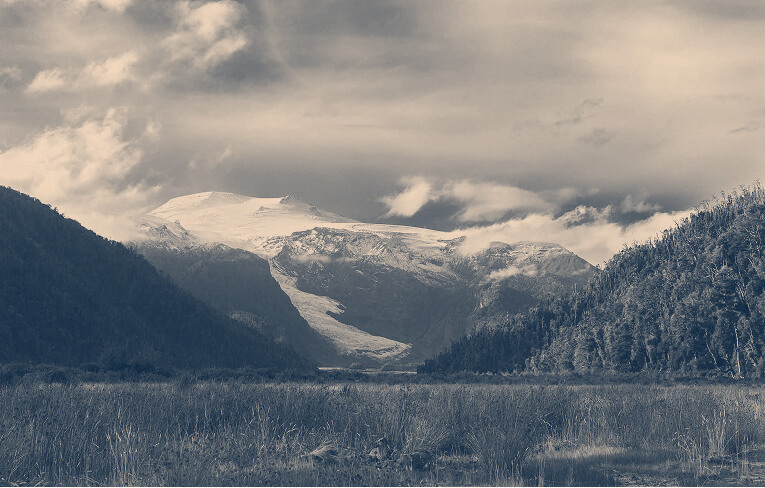
PUMALÍN
Area: 402,392 ha
Location: Los Lagos Region, Chile
Location: Los Lagos Region, Chile
Here Tompkins began his great work of preserving Patagonia. The park protects ancient forests, fjords, volcanoes, and waterfalls
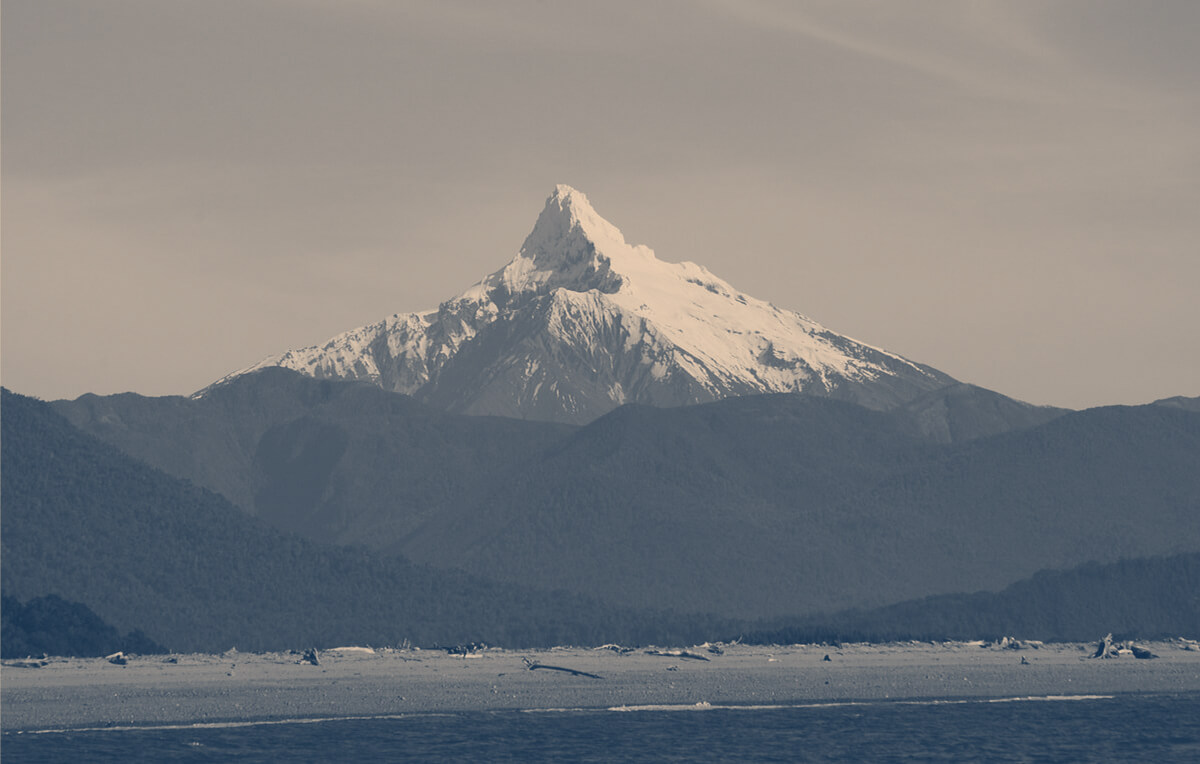
CORCOVADO
Area: 400,011 ha
Location: Los Lagos Region, Chile
Location: Los Lagos Region, Chile
Tompkins transferred more than 84,000 hectares of land to the state to create a national park. The nature here is practically untouched: forests, glaciers, fjords, and a wild coastline
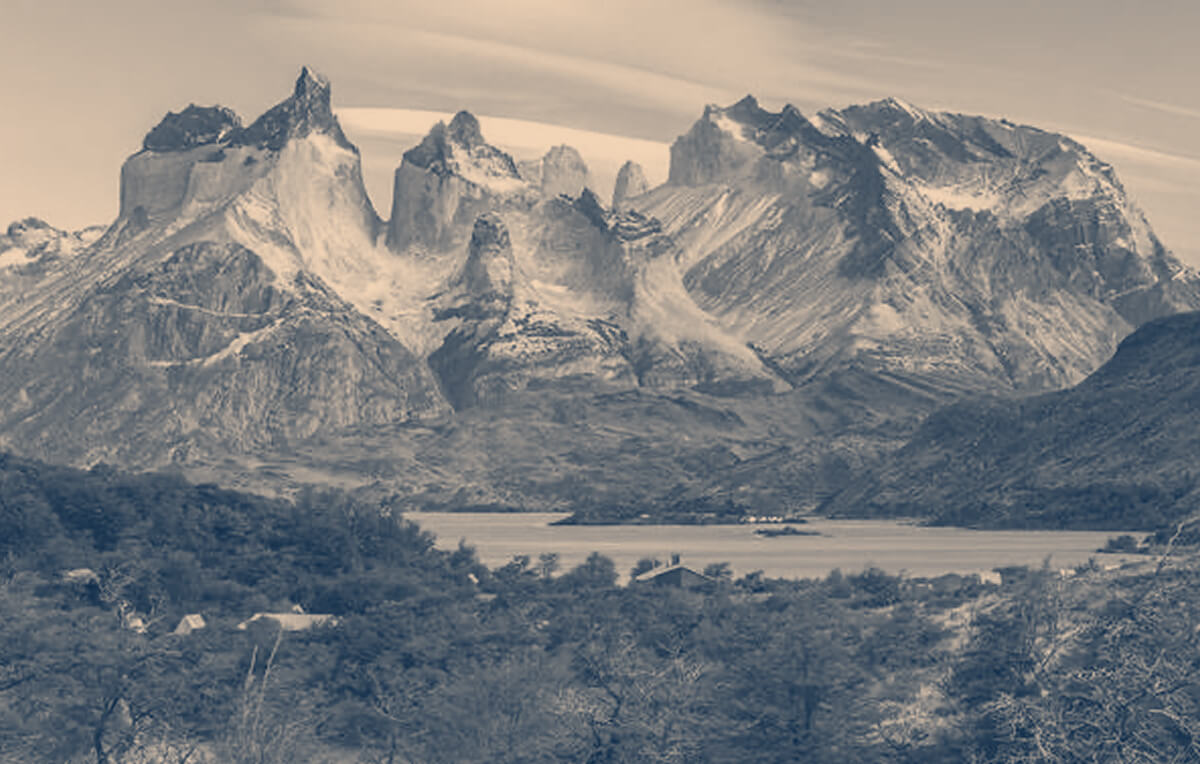
YENDEGAIA
Area: 150,587 ha
Location: Tierra del Fuego Island, Chile
Location: Tierra del Fuego Island, Chile
A territory in the far south of Chile, between the Beagle Channel and the Darwin Mountains. The lands acquired by the Tompkinses became the basis for the national park
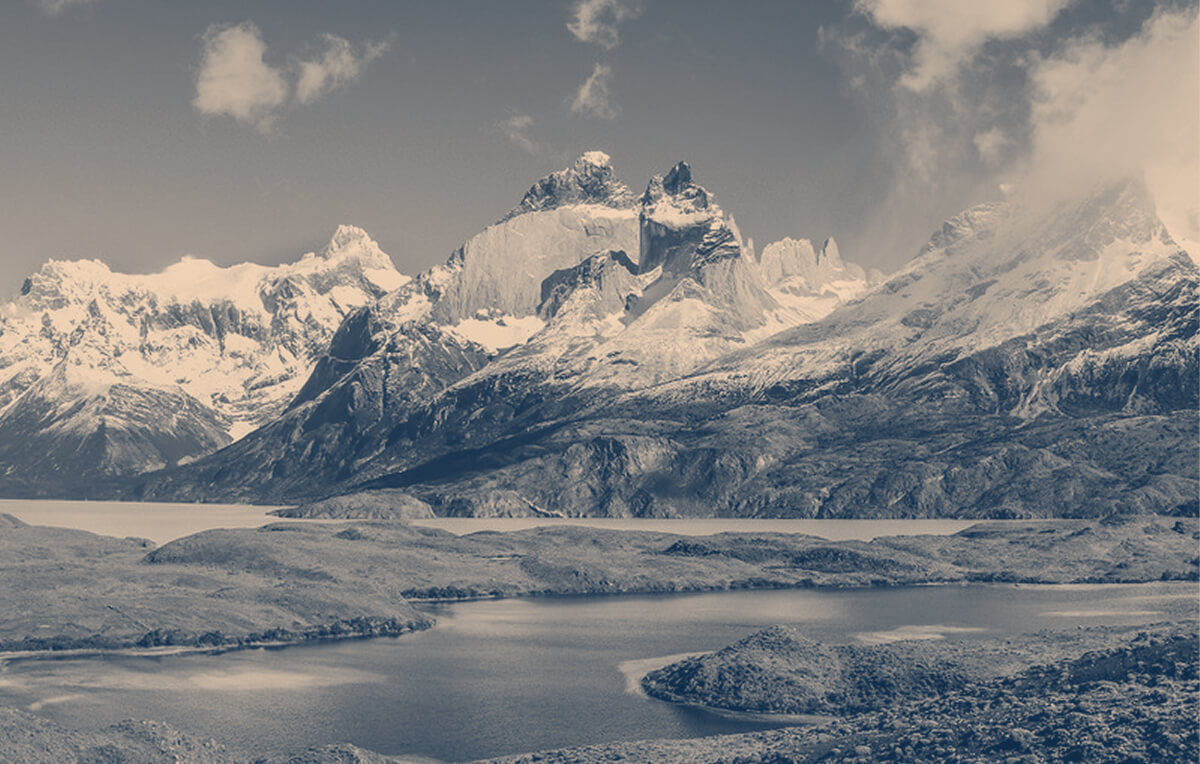
PATAGONIA
Area: 304,528 ha
Location: Aysén Region, Chile
Location: Aysén Region, Chile
One of the most striking examples of how Tompkins Conservation not only preserved land but also restored wildlife
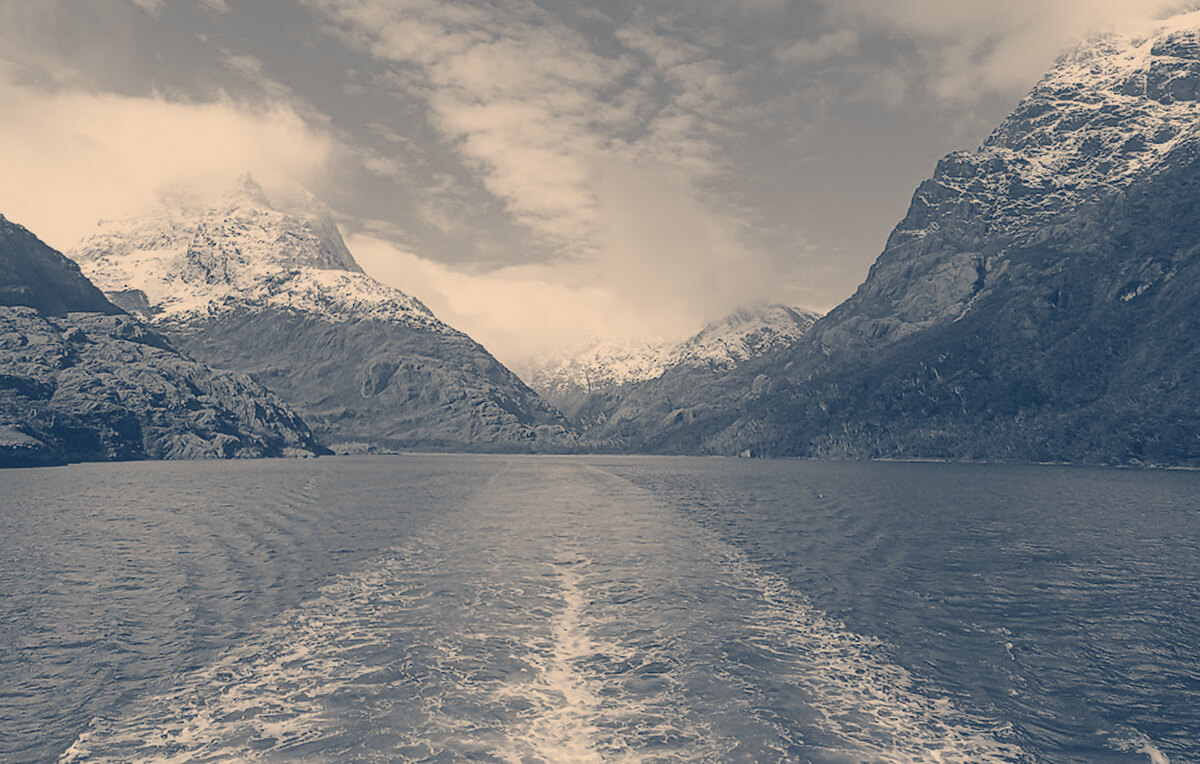
CAVESCAR
Area: 2,842,329 ha
Location: Magallanes Region, Chile
Location: Magallanes Region, Chile
One of the largest national parks in Chile. A vast territory of fjords, islands, glaciers, and forests in southern Patagonia
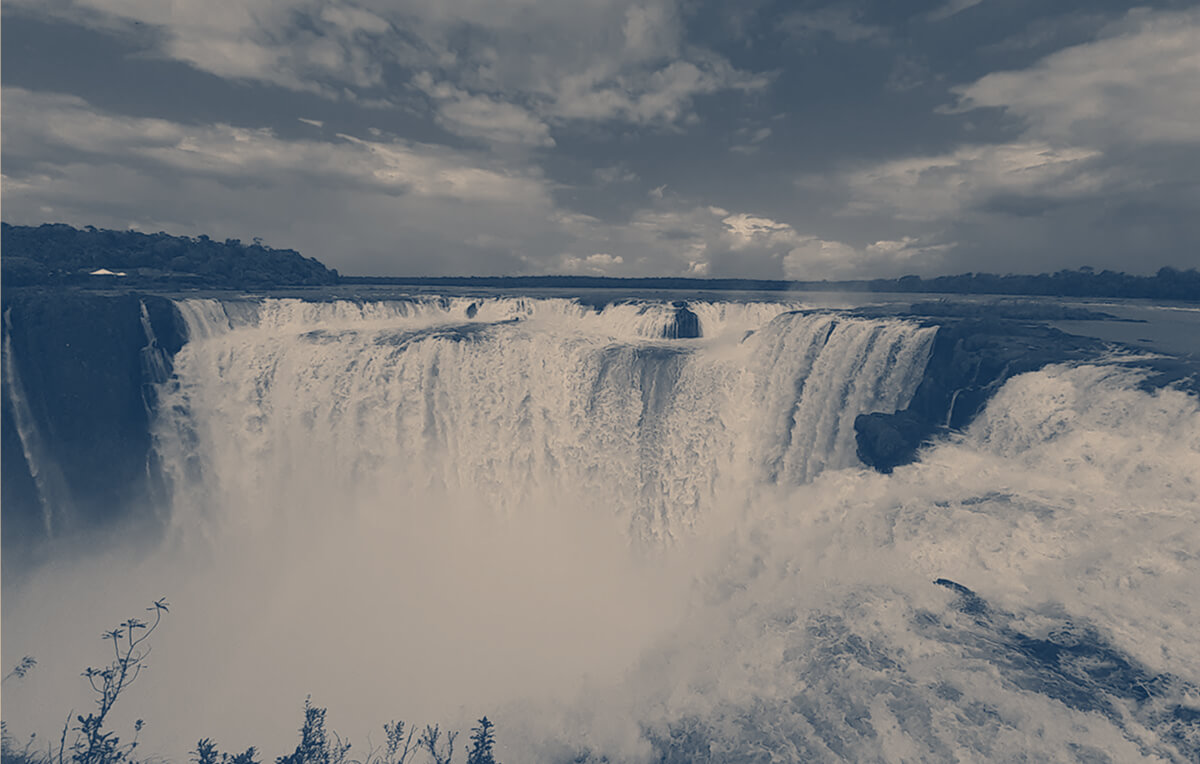
IBERA
Area: approximately 158,000 ha
Location: Corrientes Province, Argentina
Location: Corrientes Province, Argentina
The Tompkinses acquired and transferred to the state lands that became the basis of a national park and a large-scale project to reintroduce extinct species
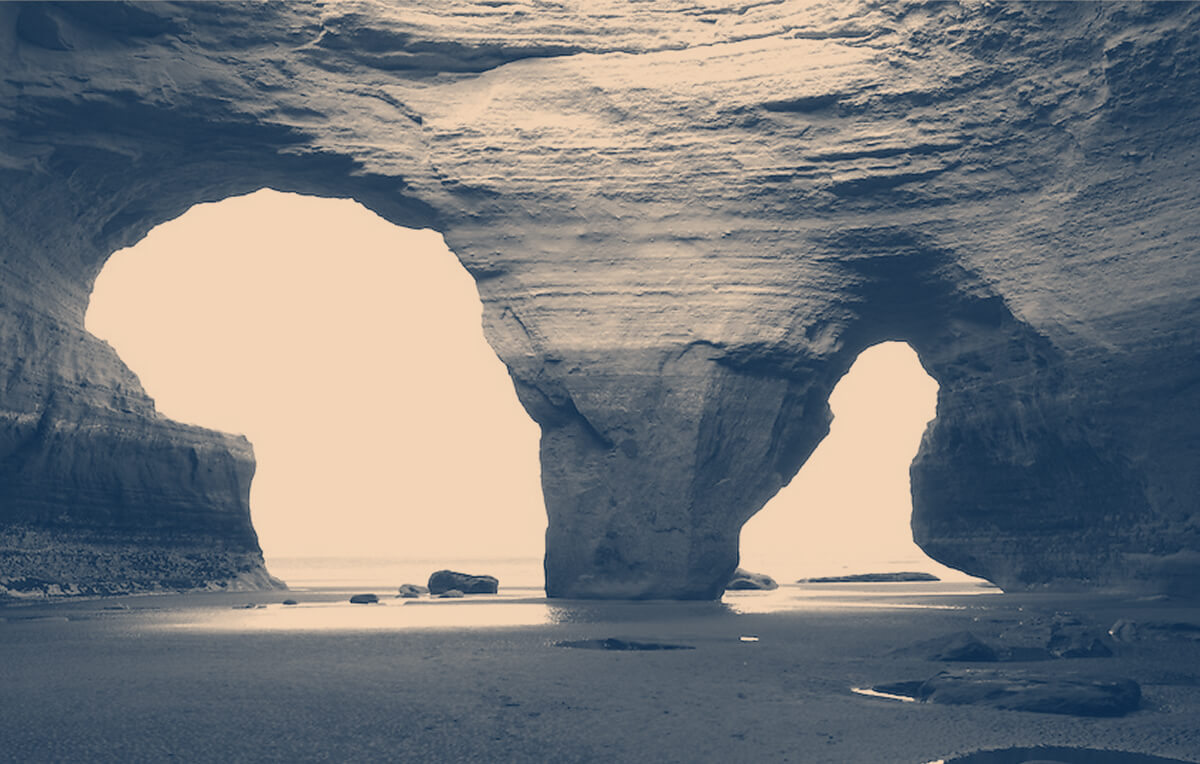
MONTE LEÓN
Area: 62,169 ha
Location: Santa Cruz Province, Argentina
Location: Santa Cruz Province, Argentina
Here the Patagonian steppe meets the Atlantic Ocean. Lands acquired and transferred by the Tompkinses helped create Argentina’s first national park with a coastline
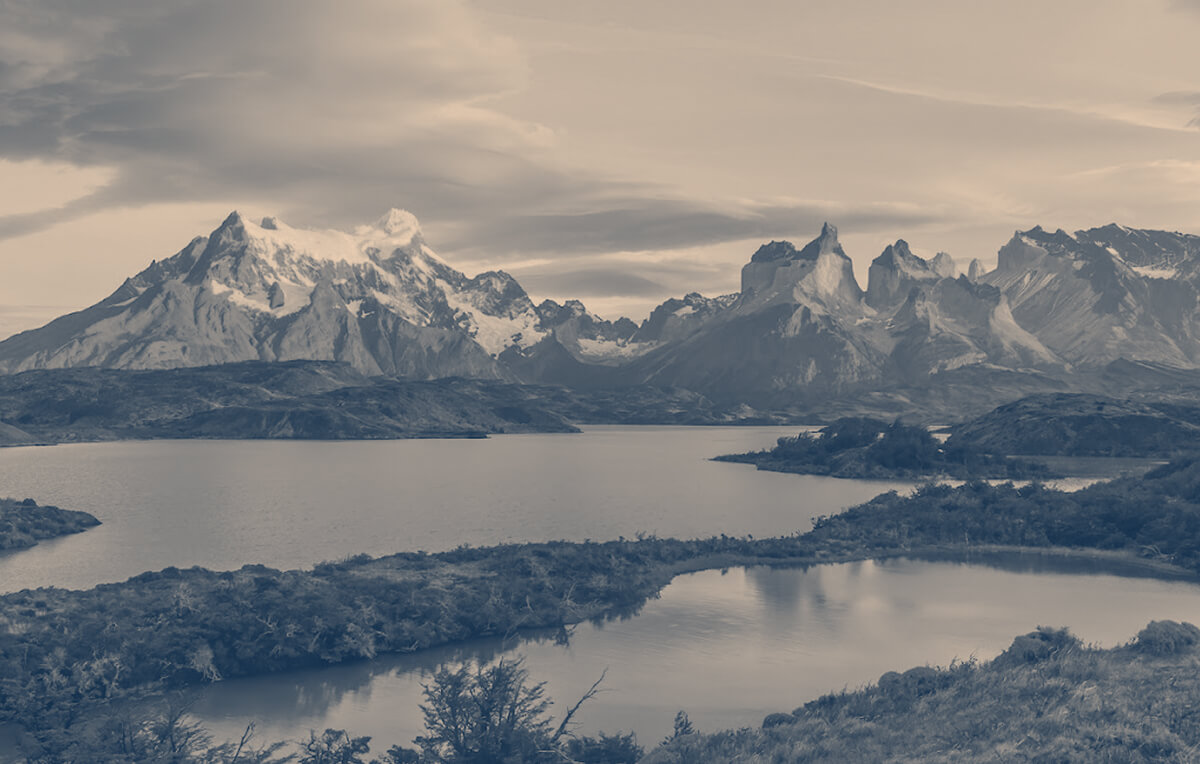
PATAGONIA
Area: more than 106,000 ha
Location: Santa Cruz Province, Argentina
Location: Santa Cruz Province, Argentina
The park protects plateaus and steppes on the border with Chile. One of the main goals was the conservation of the torrent duck—a rare bird that nests only in this part of Argentina
Patagonia, Argentina
Monte Leon
Ibera
Cavescar
Patagonia, Chile
YENDEGAIA
Corcovado
Pumalín
PUMALÍN
Area: 402,392 ha
Location: Los Lagos Region, Chile
Location: Los Lagos Region, Chile
Here Tompkins began his great work of preserving Patagonia. The park protects ancient forests, fjords, volcanoes, and waterfalls
CORCOVADO
Area: 400,011 ha
Location: Los Lagos Region, Chile
Location: Los Lagos Region, Chile
Tompkins transferred more than 84,000 hectares of land to the state to create a national park. The nature here is practically untouched: forests, glaciers, fjords, and a wild coastline
YENDEGAIA
Area: 150,587 ha
Location: Tierra del Fuego Island, Chile
Location: Tierra del Fuego Island, Chile
A territory in the far south of Chile, between the Beagle Channel and the Darwin Mountains. The lands acquired by the Tompkinses became the basis for the national park
PATAGONIA
Area: 304,528 ha
Location: Aysén Region, Chile
Location: Aysén Region, Chile
One of the most striking examples of how Tompkins Conservation not only preserved land but also restored wildlife
CAVESCAR
Area: 2,842,329 ha
Location: Magallanes Region, Chile
Location: Magallanes Region, Chile
One of the largest national parks in Chile. A vast territory of fjords, islands, glaciers, and forests in southern Patagonia
IBERA
Area: approximately 158,000 ha
Location: Corrientes Province, Argentina
Location: Corrientes Province, Argentina
The Tompkinses acquired and transferred to the state lands that became the basis of a national park and a large-scale project to reintroduce extinct species
MONTE LEÓN
Area: 62,169 ha
Location: Santa Cruz Province, Argentina
Location: Santa Cruz Province, Argentina
Here the Patagonian steppe meets the Atlantic Ocean. Lands acquired and transferred by the Tompkinses helped create Argentina’s first national park with a coastline
PATAGONIA
Area: more than 106,000 ha
Location: Santa Cruz Province, Argentina
Location: Santa Cruz Province, Argentina
The park protects plateaus and steppes on the border with Chile. One of the main goals was the conservation of the torrent duck—a rare bird that nests only in this part of Argentina
WHAT REMAINS WHEN A human IS GONE?
LEGACY
He created a company,
and then he left it
and then he left it
He earned millions,
and then invested them in the land
and then invested them in the land
He didn't strive to be someone.
He wanted to change something
He wanted to change something
WHAT REMAINS WHEN A PERSON IS GONE?
LEGACY
He created a company,
and then he left it
and then he left it
He earned millions,
and then invested them in the land
and then invested them in the land
He didn't strive to be someone.
He wanted to change something
He wanted to change something
(
) continues
The Tompkins' legacy
continues
Tompkins' (
)
Legacy
Forests continue to grow
Forests that have been logged for years are being restored. Nature is gradually returning to its places
Animals return
Rare species are reappearing in places where they once disappeared. An entire ecosystem is being restored
Rivers remain free
Water continues to flow naturally. Nature remains untouched
People come to national parks
Conserved nature becomes accessible — it can be seen and felt
1990 to present
Tompkins Conservation —
conservation fund
conservation fund
Protects and restores wild lands, creates national parks, and returns lands threatened by development to nature
The idea lives on...
AND WHAT WILL YOU LEAVE?
AND HE LEFT IT TO US
FOUND WILD
HE WAS LOOKING FOR THE UNKNOWN
